Play Therapy for Kids


Using play as a safe space for children to express feelings, build coping skills, and heal.
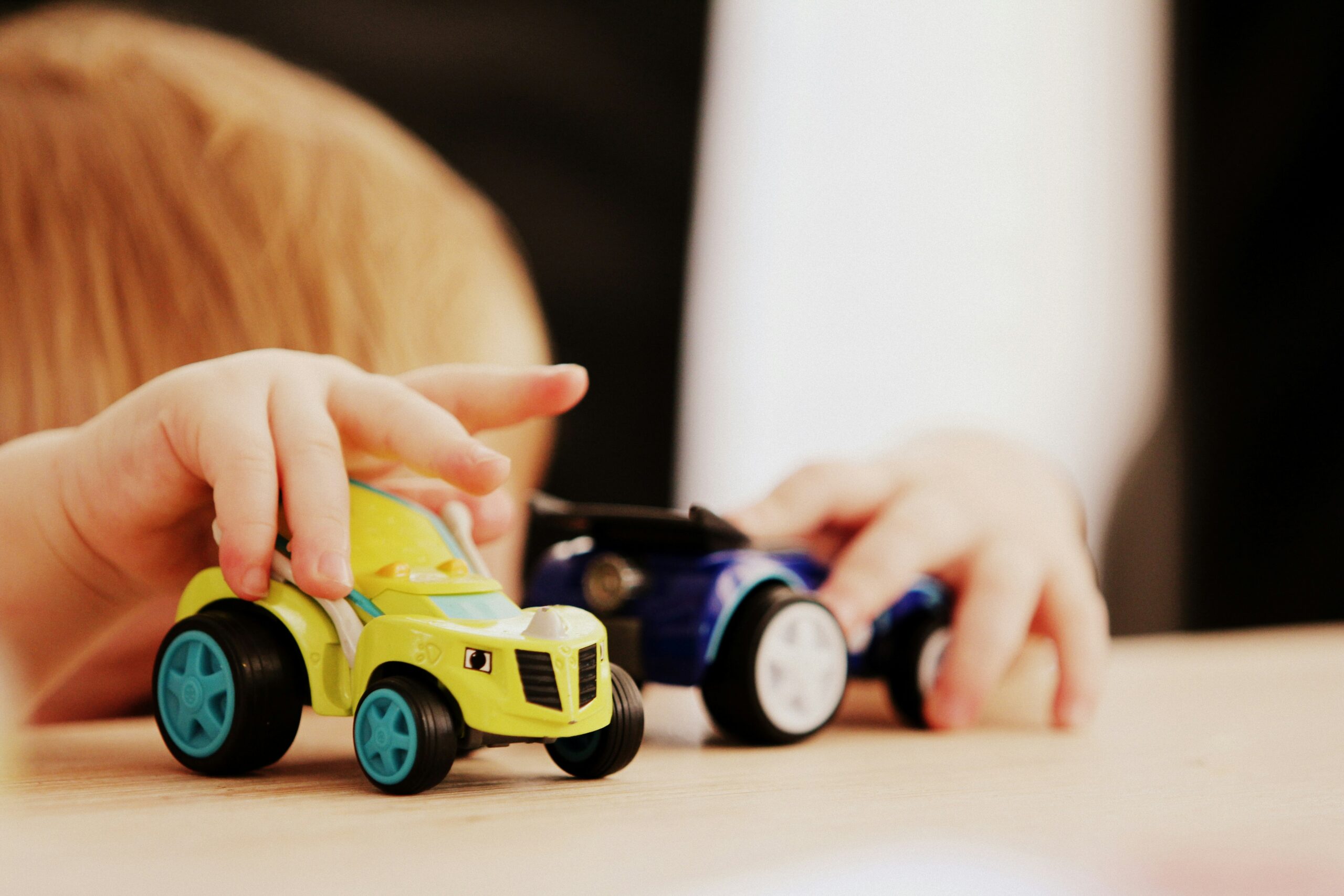
Play Therapy: Speaking the Language of Children


Play therapy works because play is a child’s natural language, and toys are their words. While adults often process emotions through conversation, children express and make sense of their experiences through play. In a safe, therapeutic environment, play allows children to explore feelings, resolve inner conflicts, build problem-solving skills, and gain a sense of control over their world. Through carefully selected activities and the supportive presence of a trained therapist, children can access emotions they might not yet have words for and making healing possible in a developmentally appropriate and deeply effective way.

Play therapy can help with:


Developmental and Social Concerns


  • Struggles related to autism spectrum traits
  • Delays in social skills/emotional development
  • Difficulty making or keeping friends
  • Communication challenges
  • Adjusting to new environments

Family and Relational Challenges


  • Parent-child conflict
  • Sibling rivalry or jealousy
  • Adjusting to a new sibling
  • Attachment disruptions
  • Conflict related to blended families or custody issues

Emotional Difficulties


  • Anxiety & Separation Fears
  • Depression or persistent sadness
  • Low self-esteem
  • Grief and loss
  • Emotional regulation difficulties​

Behavioral Issues


  • Aggression or acting out
  • Oppositional or defiant behavior
  • Impulsivity or hyperactivity
  • Social withdrawal
  • Difficulty following rules or routines ​

Trauma and Stress


  • Exposure to abuse or neglect
  • Medical trauma or hospitalization
  • Witnessing violence
  • Divorce or separation of caregivers
  • Adoption or foster care transitions​

Play therapy can include:


Play therapy can include a wide range of activities tailored to the child’s developmental level, interests, and therapeutic needs. Here’s a list of what it can include:

  • Role play
  • Art activities (drawing, painting, sculpting)
  • Sand tray play with miniature figures
  • Dollhouse or family play to explore relationships and dynamics
  • Puppets and puppet shows
  • Storytelling and therapeutic books
  • Building toys (blocks, Legos) for expression and problem-solving
  • Sensory play (playdough, kinetic sand)
  • Emotion identification games
  • Creative visualization or guided imagery
  • Coping skills practice through play
  • Therapeutic journaling or comic strip creation
  • Play with animal or superhero figures for projection, empowerment, and feelings and needs identification
  • Board games and card games that teach emotional regulation and social skills
Maggie Knobbe

Maggie Knobbe

Licensed Marriage and Family Therapist Registered Art Therapist

Solstice’s Child Therapists Provide Play Therapy

In Thousand Oaks for Los Angeles and Ventura County Residents

Get in Touch

Call, text, or email us to book a free consultation or ask questions about solstice therapy services.

Serving Thousand Oaks, Westlake, Agoura Hills, Newbury Park, and surrounding Ventura & Los Angeles County areas

Looking forward to hearing from you!